

5 In-Depth Training Modules
 Each on-demand module includes presentations, demonstrations, and step-by-step explanations of practices so you can immediately understand and apply your new knowledge.
5 On-Demand Training Calls
 Dive deeper into your understanding of the nervous system, get guided instruction, learn and practice new techniques and get your toughest questions answered directly by Linda Thai. You’ll gain confidence and competency to start applying your knowledge and skills right away.
Downloadable Course Materials
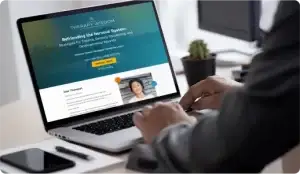 Audio recordings, transcripts, handouts and more allow you to revisit the material on your schedule. Our dedicated support team is here to help with any questions.
Private Member Dashboard
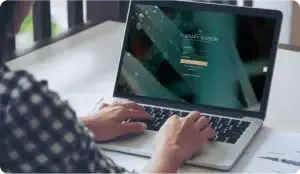 Get all your course content organized in one easily accessible place to reinforce consistent learning.
Interview with Kirkland Newman Smulders
 Kirkland Newman Smulders (she, her) is the founder of MindHealth360, co-founder of the Horizon Foundation, and Executive Director of Integrative Medicine for Mental Health consortium.
Embodied Metaphor: Integrating Sensory Motor + Movement Practices to Support Healing + Narrative Transformation
 Linda & Mariah will explore how research in developmental trauma and sensory processing can transform the embodied narratives our clients carry from their histories into empowered stories for their futures.
The Impact of Retained Primitive Reflexes on Neurodevelopment
 In this presentation, Emma Ashfield, a neurodevelopmental specialist talks about retained primitive reflexes.
Grounding Practices for Hypo- and Hyper-Sensitive Clients
 A PDF worksheet provides sensory grounding ideas for hypo-sensitive (sensory seekers) and hyper-sensitive (sensory avoiders) individuals.
Self-Regulation Hacks for Therapists
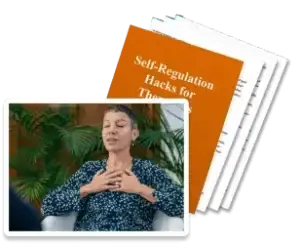 This video and PDF set will show you easy ways to immediately self-regulate during and between client sessions.
Grounding Without Going Into the Breath
 Linda shares these exercises in a video and handy PDF format. Some of these techniques do not even require going into the body!

With over 16 years of experience, Linda Thai is uniquely qualified to integrate somatic and holistic approaches for trauma treatment.
Linda is a trauma therapist who specializes in cutting edge brain- and body-based modalities for healing complex developmental trauma. As an educator and consultant, she is gifted with the capacity to contextualize, synthesize, and communicate complex and nuanced issues of identity, mental health and wellbeing resulting from oppressive systems and the invisibilized wounds of racial trauma. Linda is passionate about breaking the cycle of historical and intergenerational trauma at the individual and community levels, and deeply believes in the healing power of coming together in community to grieve.
Born in Vietnam, raised in Australia, and now living in Alaska, Linda is a former child refugee who is not only redefining what it means to be Vietnamese, to be Australian, and to be a United States-ian….she is redefining what it means to be wounded and whole and a healer.
Reviews
There are no reviews yet.