A Practical Guide to Safer Relief
for Clients Suffering from Trauma Symptoms:
Treating Trauma and Addiction with the Felt Sense Polyvagal Model
Add a new, nervous-system friendly tool to your kit in this all-new step-by-step course with renowned trauma expert, Jan Winhall, M.S.W., P.I.F.O.T.
First live call on October 10th, 2025
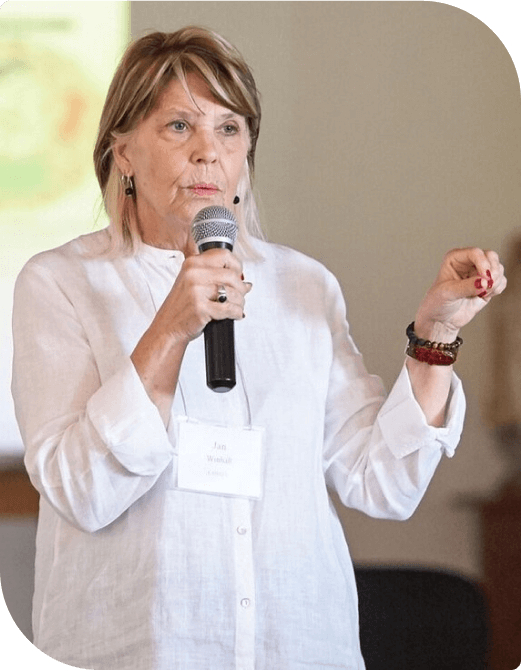
Dear Fellow Practitioners,
I’ve dedicated 45 years of my life to the practice and exploration of trauma and addiction therapy. My journey has been deeply influenced by the incredible individuals I’ve had the privilege to work with, especially the women in my early groups who taught me the profound importance of listening beyond words.
What I learned from those women is the basis of everything I am sharing with you in this course.
On this 5-module journey, we’ll delve into the somatic experiences that shape our understanding of trauma and addiction, exploring how these experiences are not maladaptive behaviors but rather adaptive responses rooted in our autonomic nervous system.
Then, through a blend of theory, experiential practices, and live demonstrations, I’ll offer you a model and methodology to foster deep, healing connections with your clients. As you deepen your connection with yourself, you deepen your capacity to be with another person in a shared, felt-sense experience.
I invite you to join me on this journey of learning and discovery. We’ll explore the intersections of polyvagal theory, the felt sense, and the profound wisdom of the body. Together, we will move beyond traditional paradigms and embrace a holistic approach that honors the complexity of human experience, while learning a very useful framework for helping clients move inevitably
With warmth and appreciation,
Jan Winhall
Jan Winhall
“…I searched for a way of understanding addiction that is compatible with the non-pathologizing embodied approach reflected in the polyvagal theory and focusing oriented psychotherapy. I looked for a way of understanding the complexity of addiction from the body up, viewing the body as a living organism that is imbued with a knowing of the right next steps for survival and thriving.”
Jan Winhall's Impactful Course Unlocks the Transformative Power of the Felt Sense Polyvagal Model...
This course is designed for therapists and practitioners seeking to deepen their ability to treat any kind of trauma and addiction through a somatic lens. You’ll learn how to integrate polyvagal theory, focusing on techniques and interpersonal neurobiology into your practice, helping clients navigate their inner experiences and achieve lasting healing.
With a blend of theory, experiential exercises, and practical applications, this course offers a comprehensive guide to embodied therapy. You’ll get access to 5 professionally filmed on-demand modules, and 5 live calls with Jan.
Each week Jan will review the concepts from the modules, and then lead you through the embodied practices presented in her new book 20 Embodied Practices for Healing Trauma and Addiction. Together, you’ll create a safe, enriching space for sharing, exploring the edges of polyvagal theory and felt sensing.

Over the 5 Modules You Will Learn:
- The foundational theories behind the Felt Sense Polyvagal Model and how to apply them in practice.
- Gendlin’s 6 Steps of Focusing for connecting clients with their inner wisdom and somatic experiences.
- How to shift from a pathological lens to a polyvagal-informed understanding of trauma and addiction.
- The 7 Fs model which illustrates how the autonomic nervous system governs responses to trauma.
- Techniques for enhancing client safety and connection through neuroception and interoception.
- The role of interpersonal neurobiology in fostering integration and healing.
- Four Circle Harm Reduction Practice-a tool for clients to use to navigate their addictive and dissociative behaviors by addressing triggers and developing healthy behaviors and social connection.
- Practical strategies for addressing addiction as an adaptive response within the autonomic nervous system.
Here's what you can expect from each module of this course:

Module 1
Live call: Fri. Oct. 10th, 2025 | 12:00-1:30pm EDT
The "death" of the client
In this module, Jan gives a brief history of her work with trauma and addiction clients and how she learned and developed the model she’s teaching in the course. Some of the key things you’ll take away from the module are:
Key Topics Include
1 – The Anthropocene and Afroscene:
- Explore how global crises, from climate change to racial upheavals, are reshaping our understanding of humanity and care.
- Understand the interconnected nature of these crises and their impact on mental health.
2 – The Loss of White Stability:
- Examine how traditional notions of selfhood and well-being are being disrupted.
- Discuss the implications of these disruptions for contemporary therapeutic practices.
3 – Enter the Posthuman:
- Delve into emerging philosophies that decenter the human, opening new possibilities for conceptualizing health and therapy.
- Investigate how posthumanist perspectives can transform therapeutic approaches.
4 – The Client is Ecological and Therefore Postponed:
- Consider how the client is no longer confined to the individual in the room, but extends to broader societal and environmental contexts.
- Learn about the ecological dimensions of mental health and their therapeutic implications.
5 – Psychology as the Policeman of Capitalism:
- Critically examine the role of psychology in maintaining or challenging societal structures.
- Reflect on how psychological practices can either reinforce or resist capitalist dynamics.

Module 2
Live call: Fri. Oct. 17th, 2025 | 12:00-1:30pm EDT
Experiential Psychotherapy: Finding the Felt Sense
In this module, Jan introduces her mentor Eugene Gendlin’s research-based somatic process, which focuses on the importance of the felt sense in fostering connection with embodied wisdom. Focusing helps clients to begin the journey of coming into connection with their body. She guides attendees through the six steps of Focusing, emphasizing the need for safety in this practice.
Key takeaways include:
- The six steps of focusing and the importance of a relaxed approach, emphasizing exploration without performance anxiety.
- Jan introduces Gendlin’s Experiencing Scale, a tool that helps therapists assess a client’s level of embodied integration. She provides examples of how to encourage clients to deepen their experience and move toward greater self-understanding.
- The concepts of the Felt Shift and Focusing in Partnerships – Jan explains how felt Shifts, ‘Aha” moments, are indications of deep somatic healing. She also delves into the dynamics of focusing partnerships in dyads or triads, highlighting the importance of deep, embodied listening and co-regulation. She emphasizes how these practices facilitate therapeutic outcomes.

Module 3
Live call: Fri. Oct. 24th, 2025 | 12:00-1:30pm EDT
Bringing the Body to Mind - Interpersonal Neurobiology
In this module, Jan discusses Dan Siegel’s nine domains of integration within interpersonal neurobiology, exploring how each domain contributes to a comprehensive understanding of mental and emotional health.
Other key takeaways include:
- The intersection of attachment theory and neurobiology, with special attention to the role of the prefrontal cortex in regulating emotions and fostering secure attachments.
- Window of Tolerance: explaining how therapists can help clients move from states of chaos or rigidity to a place of integration and calm.
- Jan wraps up the modules by guiding participants through a tender practice of revisiting early memories of being soothed, helping them connect these experiences to their current self-soothing techniques.

Module 4
Live call: Fri. Oct. 17th, 2025 | 12:00-1:30pm EDT
Trauma and Addiction - A Polyvagal Lens
In this module, Jan explores the adaptive nature of trauma-related behaviors through the lens of polyvagal theory. She explains how creating a sense of safety is vital to helping clients shift out of these behaviors.
Some other key takeaways include:
- The Felt Sense Polyvagal Model: Jan introduces the 7 Fs model, which illustrates how the autonomic nervous system governs responses to trauma. She emphasizes the importance of understanding addiction as an adaptive behavior within this framework.
- Polyvagal-Informed Focusing: This covers the role of the autonomic nervous system in shaping our responses and judgments. Jan teaches how to use focusing and polyvagal theory to retune these responses.
- Neuroception and Interoception: Jan explains these concepts and their significance in therapeutic practice. She provides exercises to help participants tune into their bodies and regulate their autonomic states.

Module 5
Live call: Fri. Nov. 14th, 2025 | 12:00-1:30pm EST
Using the Learning Model of Addiction to Teach Your Clients How to Change
In this module, Jan challenges the traditional view of addiction as a brain disease, presenting a neuroplasticity-informed perspective by Marc Lewis, that emphasizes the brain’s capacity to heal and adapt.
Other key takeaways include:
- Develop an understanding of the brain’s structures involved in addiction, explaining how disconnects in these areas contribute to addictive behaviors.
- Jan introduces the Four Circle Harm Reduction Practice, a tool for helping clients navigate their addictive and dissociative behaviors by addressing triggers and developing healthy behaviors and social connection. This tool provides therapists and clients with a practical roadmap for healing trauma and addictive behaviors.
- Jan concludes the module by summarizing the core concepts of the Felt Sense Polyvagal Model, emphasizing the centrality of the autonomic nervous system in healing trauma and addiction.
PLUS, You’ll Get All Of These Incredible Bonuses

A preview from Jan’s book:
“Treating Trauma and Addiction with the Felt Sense Polyvagal Model: A Bottom-Up Approach”

A preview from Jan’s newest book:
“20 Embodied Practices for Healing Trauma and Addiction: Using the Felt Sense Polyvagal Model”

An On-Demand Demo
Aevar demo about the felt sense of parenting – Jan will demonstrate a Focusing session that dips into the felt sense of surrounding parenting fears and responsibilities.

An On-Demand Demo
on how to use the Four Circle Harm Reduction Practice as a roadmap to guide the process of healing from trauma and addiction.

An interview between Jan and Dr. Andrew Tatarsky
about his Harm Reduction approach to treating clients with addiction, and how his work and Jan’s are similar in many ways…

Our courses are at the intersection of psychotherapy, spirituality and social change.
We know you have options for learning and Continuing Education. Here’s what sets us apart:

Emphasis on Your Learning
We offer a friendly, intuitive learning portal designed specifically so you can easily find your course content, connect with your colleagues, and have fun actually completing it!

Professional Production Quality
A real camera crew with high-end equipment, a deeply involved content director who works closely with every presenter, and a top-notch editing team with over 200 courses produced to date all make our video lessons second-to-none. Each learning module is split into digestible video segments so they are easy to watch and reflect on.

Unparalleled Customer Service
We’re proud to maintain a customer happiness rating of over 90%, with 85% of inquiries responded to within 6 hours. We’re here for you, every step of the way.
We ensure that your learning experience is not just adequate, but exceptional.
We believe learning should challenge and change you.


If you are a BIPOC helping professional,
We are glad to have you with us!

100% Risk-Free Guarantee
We are confident you will learn new skills in this online training. However, If during your first 7 days with this course, you don’t believe you will learn anything to enhance your practice, please contact our support team at support@therapywisdom.comwithin 7 days of purchase and we will give you a full credit or exchange for another course, no questions asked.
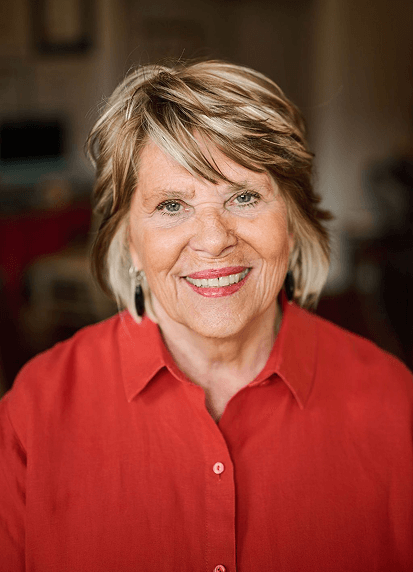
Jan Winhall, M.S.W., P.I.F.O.T.
is an author, teacher, and seasoned trauma and addiction psychotherapist. She is an Educational Partner and Course Developer with the Polyvagal Institute where she offers a training program based on her book Treating Trauma and Addiction with the Felt Sense Polyvagal Model, Routledge 2021. Completion of four levels leads students to become Felt Sense Polyvagal Model Facilitators. She is an Adjunct Lecturer at the University of Toronto and a Certifying Co-Ordinator with the International Focusing Institute. Jan is Co-Director of the Borden Street Clinic where she supervises graduate students, and is the founder of Felt Sense Polyvagel Institute. She enjoys teaching all over the world. Jan’s new book Twenty Embodied Practices for Healing Trauma and Addiction: Using a Felt Sense Polyvagal Model was released in March 2025 with Norton. It is a manual for her first book, designed for the general public.
testimonials
“In Treating Trauma and Addiction with the Felt Sense Polyvagal Model Jan Winhall introduces a new strategy to treat addiction that brilliantly integrates Gendlin’s classic concept of a felt sense with Polyvagal Theory.
The author shares her intellectual journey in which unique insights transform two disparate perspectives into obvious complements leading to a powerful treatment model. As Polyvagal Theory gives the language of neuroscience to Gendlin’s felt sense, the phenomenological world of Gendlin becomes transformed by Polyvagal Theory into observable shifts in autonomic state. The product of this creative journey is an integrated therapeutic strategy with the potential to decode the wisdom of the body with its full repertoire of survival reactions into positive outcomes that promote optimal mental and physical health. These successes are highlighted by new abilities to co-regulate with others that lead to successful trusting relationships.”
―Stephen W. Porges, PhD, scientist, author, creator of Polyvagal Theory
“Reframing addiction and its treatment through the lens of Experiential Psychotherapy, Polyvagal Theory, Interpersonal Neurobiology and Imago Relationship Therapy,
Jan Winhall has produced a brilliant synthesis and expansion of addiction theory and treatment that should be read by all therapists, not just addiction specialists.”
―Harville Hendrix, PhD, and Helen LaKelly Hunt, PhD Authors of Doing Imago Relationship Therapy in the Space Between
“Jan Winhall brings together the essence of groundbreaking modern therapeutic practices with her own decades of hard-won clinical experience
to fashion a new, deeply humane and promising model of addiction treatment, illustrated by poignant clinical vignettes.”
―Gabor Maté, MD Author of In the Realm of Hungry Ghosts: Close Encounters with Addiction
“Jan Winhall blends Gendlinian bottom-up process of felt sensing with Stephen Porges’ polyvagal theory.
Her book is both broad and deep and a remarkable contribution to the Field of Addiction. Jan’s wise and heartfelt human presence is fully embodied throughout the book as she takes us on her own journey over 40 years as a psychotherapist. Clinicians will be able to easily take in these fresh clinical avenues, perspectives and practical clinical treatment methods.
―Karen Whalen, PhD
“Based on Porges’ biologically-based theory of trauma, this book shows how addiction is a brilliantly adaptive way to ‘bear the unbearable’ rather than a sickness.
Integrating this framework with her intuitive grasp of body-centered therapy, Winhall helps us both reinterpret and treat this most formidable of habits.”
―Marc Lewis, PhD Author of The Biology of Desire: Why Addiction is Not a Disease
Frequently Asked Questions
Q: I already treat trauma and/or addiction. Why should I take this course?
It’s important to stay open and curious about new approaches, theories, and methods when it comes to treating trauma and addiction. Many trauma therapists say they don’t deal with addiction – but if you’re treating trauma, you’re almost certainly treating addiction too – even if it’s not substances your client is addicted to. Taking this course will offer new insights and will introduce you to a whole new paradigm… it’ll push you to challenge what you think you know and invite you to question the current paradigms and models that, for many clients, are proving to be ineffective.
Q: What if I have no experience with somatic approaches?
Many therapists are intimidated by somatics. It might be that they feel unequipped or inexperienced or that they have trouble relating to the approach. But Jan teaches this slowly and gently, giving you a safe way to dip your toes in and explore somatic tools and techniques you haven’t considered before.
Q: Will I get it from this course?
You will learn a new paradigm for working with trauma and addiction that outlines specific ways of understanding and working with trauma survivors’ bodies through the Polyvagal Model. You’ll learn two processes that will inform your approach: Interoception (how to connect with the felt sense; to appreciate, understand, and ground in the body) and Neuroception (where we help survivors tune into and work with the autonomic nervous system to identify how safe they feel in their body, how to help them feel grounded, and to let go of addictive ways of attempting to survive).
You’ll have a deeper, richer appreciation of the adaptive features of self-harming behaviors, feel empowered to connect with people in a way that helps them develop the capacity to connect with themselves – through their feelings, thoughts, memories, the felt sense in their body.
You’ll learn to further develop your capacity to be with a client and experience sensations and memories moment by moment in a way that feels safe enough for them to be more present in the world.
You’ll discover a specific method, the Four Circle Harm Reduction Method, to help clients connect with their bodies and reduce self-harming practices.
Plus, you’ll learn how to focus and find the felt sense in the body, and how to identify what’s happening in the nervous system-and how to tend to it.
Q: Why is the somatic approach so important for therapists to be aware of?
Traditionally what therapists are taught is a top down approach that only takes into account a cognitive understanding of their experiences. With somatics and through the Felt Sense Polyvagal Model, you’ll learn to also consider a bottom up approach that takes into consideration your client’s physical self. After all, 80% of the messages the brain receives and responds to come from the body. It only makes sense that we learn to communicate and connect with the body as well as the brain.
Q: Is this course pre-recorded, or is it live where I can ask questions?
This course is a combination of 5 on-demand modules professionally recorded with Jan, and 5 live calls that will take place on:
Fri. Oct 10th, 202512-1:30pm EDT
Fri. Oct 17th, 2025 12-1:30pm EDT
Fri. Oct 24th, 202512-1:30pm EDT
Fri. Nov 7th, 2025 12-1:30pm EST
Fri. Nov 14th, 2025 12-1:30pm EST
All live calls will be recorded and available on the course website within 2 business days of their original broadcast.
Q: Can I get CEs for this course?
Not at this time.
Q: Do you offer scholarships or discounts?
Academy of Therapy Wisdom does not offer full scholarships for its courses but we do invite BIPOC healing professionals to enroll at our discounted rate as one way to address the economic impacts of systemic oppression and generational wealth gaps on Black, Indigenous, and People of Color.
Our discounted enrollment rate is also available to those with a financial hardship, disability or health condition, or who live in countries with a very high exchange rate for the US Dollar. If one of these applies to you, please email support@therapywisdom.com for more information.
Academy of Therapy Wisdom creates world-class learning experiences for the global therapy community, integrating spirituality and social justice to help cultivate a more just, enlightened, and compassionate world. Our courses are immensely valuable, but we don’t want the cost to be a barrier to your learning and personal growth.