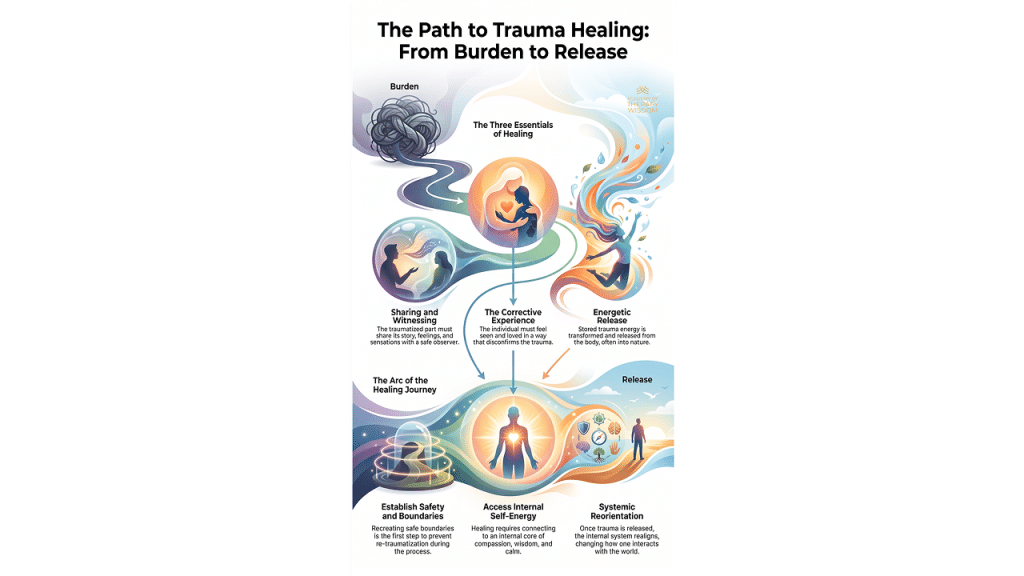

We are proud to offer a variety of Experiential Therapy Techniques: A Neurobiological Appraoch to Self-Compassion Therapy online trainings for therapists with the renowned and much-loved Academy of Therapy Wisdom teacher, Jules Taylor Shore.
Working with Jules to create and offer her courses is a pleasure for our entire team. We feel excited for the positive impact she is having on the therapy community and world. Those who sign up for her CE´s trainings for therapists, complete the courses, and apply these pivotal teachings in private practice and in their own lives report many far-reaching benefits.
We thought we take a moment to share a bit about Jules here on the blog, and we invite you to learn more about her and her work by visiting our online therapy courses faculty page, or enjoying her introduction letter on the course page of her latest course Experiential Therapy Techniques: A Neurobiological Appraoch to Self-Compassion Therapy.
“I use my knowledge of the brain and the implicit mind to go decisively to the root of the issue with gentleness and depth. I want to help you find the love and connection and grace you have always longed for. I am on a journey to help myself and others have good boundaries. Having good boundaries helps us develop deep and resilient relationships with ourselves, with people we love, and with reality.” – Jules Shore
Jules Shore Biography
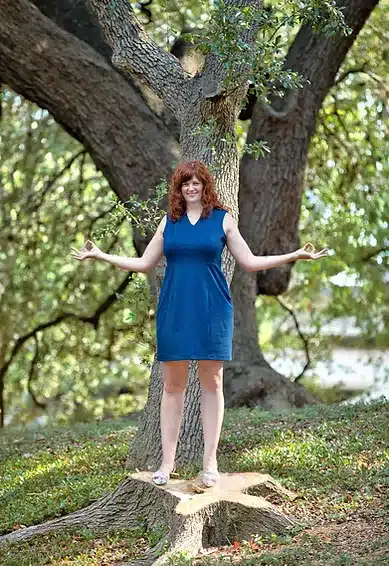
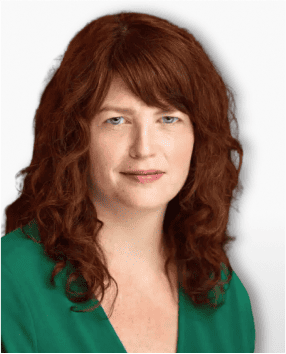
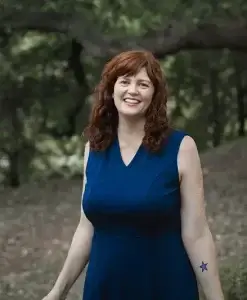 Juliane Taylor Shore, LPC, LMFT, SEP (often known as Jules), is a therapist and therapist trainer in Austin, Texas. Her area of expertise is the use of interpersonal neurobiology for the treatment of trauma and the development of healthy relationships with the clients she serves.
Jules utilizes her understanding of the brain and the implicit mind to gently and thoroughly get to the heart of the matter. Jules has 12 years of experience as a specialist in couples therapy and trauma recovery. She enjoys working experientially since it helps her meet and enable changes in the unconscious mind. She assists people in discovering the grace, love, and connection they have always yearned for, both inside themselves and with one another.
Jules conducts intensives for couples and for individuals who come from all over to engage in intensive in-depth therapy, in addition to seeing private clients and presenting.
Jules specialties include Interpersonal Neurobiology, Relational Life Therapy, Somatic Experiencing, Internal Family Systems Therapy, Emotional Transformation Therapy, Coherence Therapy, Eye Movement Desensitization and Reprocessing, and Sand Tray.
Jules Shores Therapist Statement
I became a therapist because I stumbled into a therapist’s office when I was in a hard space, fought with him for several months over whether or not feelings are important (I argued they were not), and found myself at the other end transformed.
I remember the day I looked up at him from a grubby couch in a low cost clinic and said “Patrick, how did you get your job? I think I might want it.”
So, I went to grad school a bit after that. Still thought the whole thing was probably woo woo BS, and studied the neuroscience to try to prove myself wrong…and here I am.
Writing, speaking, running intensive trauma recovery sessions, and relational healing workshops and couples intensives, all while teaching interpersonal neurobiology to anyone who will listen.
I have always been passionate about relationships and relational health, and try to live it well and screw it up all the time anyway. I can get lost in wondering about the nature of reality, and I love to get lost in the deep acceptance of both/and. Because sitting in not knowing intrigues me, in my therapy work I practice somatic experiencing and internal family systems, relational life therapy, and sand tray.
I witness the healing of souls and the finding of self. And the bravery it takes to turn to a romantic partner and say I want you and I know we will mess this up but let’s figure out how to turn to each other and grow this thing,” is absolutely beautiful. So, I do trauma recovery and couples work (often at the same time) in my private practice.
I am passionate about my husband, daughter, and dog. I love my dear friends who know all of me and don’t turn away. I am passionate about poetry (favorite of the moment: Poppies by Mary Oliver). I love to sit on the back porch and watch the trees move. I love a good accent of any kind but hill country Texas is my favorite. I am in love with this earth and all of the people in it. I am passionate about welcoming us all, with all of our messiness, and with loving firmness that can create respect and growth.

Poppies
By Mary Oliver
The poppies send up their
orange flares; swaying
in the wind, their congregations
are a levitation
of bright dust, of thin
and lacy leaves.
There isn’t a place
in this world that doesn’t
sooner or later drown
in the indigos of darkness,
but now, for a while,
the roughage
shines like a miracle
as it floats above everything
with its yellow hair.
Of course nothing stops the cold,
black, curved blade
from hooking forward—
of course
loss is the great lesson.
But I also say this: that light
is an invitation
to happiness,
and that happiness,
when it’s done right,
is a kind of holiness,
palpable and redemptive.
Inside the bright fields,
touched by their rough and spongy gold,
I am washed and washed
in the river
of earthly delight—
and what are you going to do—
what can you do
about it—
deep, blue night?
Interested in learning directly from Jules about how to apply Experiential Therapy Techniques: A Neurobiological Approach to Self-Compassion Therapy? Read more about learning neurobiology for therapists directly from Jules in her online training for therapists (link below).
Join Juliane Taylor Shore for a FREE 90-minute webinar
Experiential Therapy Techniques: A Neurobiological Approach to Self-Compassion Therapy
During the webinar, you will learn:
A practice to increase self-compassion towards yourself as you do your work so you can both embody and benefit from self-acceptance.
The neurobiological difference between empathy and compassion so you keep use them judiciously in practice.
How to set up experiential practices so clients can discover and experience self-compassion.